


Australia Considers Tightening Drone Legislation
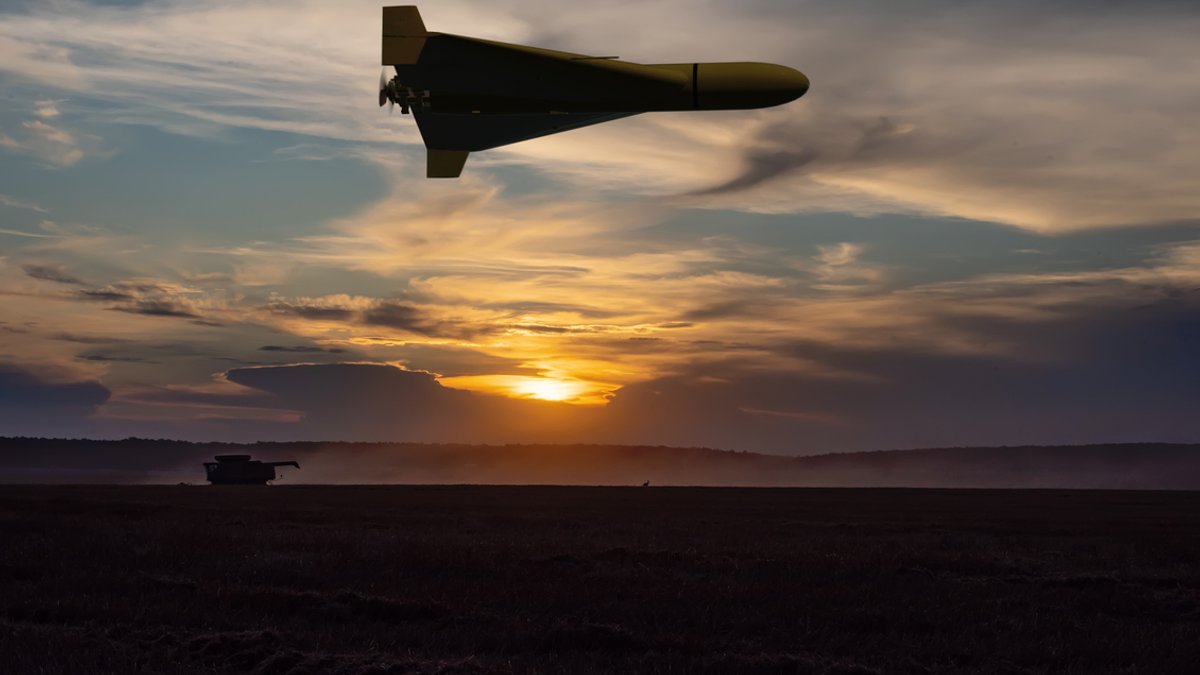
Legislation in Australia is struggling to keep pace with the rapid advancement of drone technology, creating a gap between what the military can do and what the law allows. As global tensions rise and nations like Ukraine and Israel demonstrate the effectiveness of swarms of cheap commercial drones, Australian defence officials face a difficult challenge. The country currently leads its international peers in drone regulation, but this regulatory advantage may be a disadvantage, as Australian counter-drone technology vastly outstrips the laws designed to control it.
Paul Cenoz, the General Counsel at DroneShield, points out that the company was founded in 2014 and now has more than 25,000 shareholders. He explains that when drone technology first appeared, it was evident that it could be weaponised or used for nefarious surveillance. DroneShield specialised in addressing this niche problem through the work of its skilled engineers. The company is proudly Australian, with nearly all its proprietary technology developed domestically. Australia’s standing internationally as a trusted ally, including among the Five Eyes, makes it a trusted partner globally for many international clients. DroneShield has an office in the U.S. and plans to expand its physical footprint in Europe to meet market demands for its products.
Related: Law Journal Reviews Blue Trail and Birthday Trip
In October 2023, DroneShield technology was part of the Australian Government’s military assistance package to Ukraine, which saw around $10.4 million of DroneShield equipment donated. In Australia, military drone operations are primarily governed by the Defence Act 1903 (Cth), which restricts the use of military force domestically without ministerial approval. While the Australian Defence Force (ADF) can use drone detection systems, current legislation limits their ability to employ countermeasures against drone threats on Australian soil. Specific regulations for civilian drone use, managed by the Civil Aviation Safety Authority (CASA), also apply to military drone operations, particularly regarding safety and airspace restrictions. The ADF uses drones for Intelligence, Surveillance, Target Acquisition, and Reconnaissance (ISTAR) in land force operations, but countermeasures against threatening drones is complicated by CASA requirements.
David Goodrich, the CEO of Anduril Australia, wrote for the Australian Strategic Policy Institute (ASPI) in June that legislation, not technology, is the biggest problem for ADF drone defence. Under the Defence Act 1903, the defence force does not have statutory authority to use drone countermeasures domestically, even though civilian agencies such as the Australian Federal Police can do so under given circumstances. The ADF requires state government permission to take countermeasures against a drone and then must do so under the supervision of a CASA- or Airservices Australia-delegated law enforcement officer. This bureaucratic hurdle creates a dangerous vulnerability. Were an attack of the nature of Ukraine’s Operation Spider’s Web to take place in Australia—that is, commercial, relatively cheap drones targeted en masse at air force hangars—Australia would be highly vulnerable to losing key aircraft used for defence, humanitarian, and disaster response.
Related: Support grows for more Parramatta courthouses
The Defence Issues Paper 2014 stated that Australia’s defence policies must deliver an ADF that can effectively protect Australia from direct attack, of whatever form, and is also able to secure and advance our interests. More than a decade later, the same attitude could well be applied to rapid technology shifts in drones and counter-drones. The Defence Act 1903 is designed to address hostile attacks from foreign entities, rather than allowing for defence countermeasures domestically. Cenoz notes that there are significant differences through every jurisdiction regarding drone usage as well as drone detection and counter drone regulations. The counter drone space has been a hot topic due to the continuing and growing threat posed by drones. Therefore, there is an interest in tightening drone usage laws while relaxing laws regarding detection and mitigation of drones.
Technology is moving faster than the law. DroneShield uses AI machine learning significantly in its detection and counter measures, which is significantly different from the type of large language models that are generally discussed, such as ChatGPT models. A one-size-fits-all approach to regulation does not work and significantly more research and consultation with the community needs to occur among the different industries and their use and application of AI. Tom Pils, also known as The Drone Lawyer, is a Senior Associate at Macmillan and the author of Australia’s first commercially focused handbook for drone operators. Pils has acted for drone pilots, manufacturers, software providers, and other parties associated with drone operations. He has also been invited to take part in various Government drone-related working groups including those conducted by CASA, and the Department of Infrastructure, Transport, Regional Development and Communications.
Related: Understanding Calderbank Offers and Indemnity Costs
Pils says that amendments to the Privacy Act, which take effect in December 2026, will affect the drone industry. Organisations are required to be more transparent about how they use artificial intelligence and other automated systems in their decision-making processes that have consequences for individuals. It’s a big effort for the companies to have to work that out and put that in their privacy policy. He reflects that technology will always outpace legislation. He thinks CASA is doing a remarkably good job of amending regulations. There is always that fine line between regulation which helps to facilitate commerce, because it gives you guidelines and rules and you’ve got a path to follow, and the concern that if you go too far, it just strangles industries.
The drone and aviation industries are a ripe space for lawyers with an interest in technology and transport. Where there’s commerce, there has to be lawyers to advise on that industry. It’s a fun space to be in, he even enjoys looking at the regulations in this fast-moving space. There are hardly any common law court cases so there’s very little, if any, landmark cases interpreting the regulations so it’s very young in terms of precedent from a regulatory perspective.


