


Support grows for more Parramatta courthouses
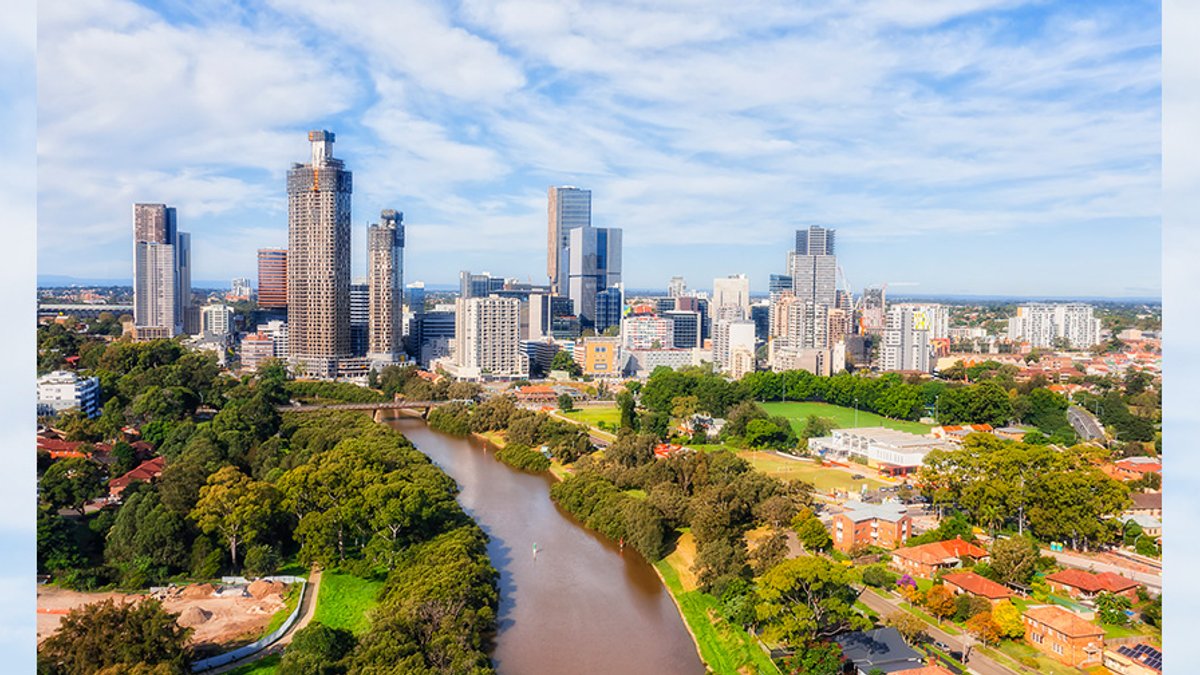
Western Sydney’s legal community is intensifying its push to shift the region’s court infrastructure, arguing that the demographic weight of the area demands a permanent Supreme Court presence in Parramatta.
Infrastructure gaps in the west
A revitalised effort to expand court infrastructure in Parramatta is gaining momentum. The council-led proposal aims to establish a permanent Supreme Court location, build a new law school, and create a legal innovation incubator. This plan was originally floated in 2021 but slowed during the COVID-19 pandemic. Now, under new Lord Mayor Pierre Esber, the council is coordinating with western Sydney law firms and universities to galvanise support for shifting services west from the CBD.
Parramatta Council argues that the current justice precinct, which hosts every level of state court except a coroner’s building and includes the Family and Federal Circuit Courts, is already a “full and well-planned” hub. However, officials contend that the facility is operating at capacity and needs expansion. The council’s latest report suggests that a permanent Supreme Court site could handle an additional 4,000 matters annually.
Demographics provide the strongest argument for the shift. More than two million people currently live in western Sydney, a figure projected to exceed three million within two decades. Parramatta’s population is set to double to 500,000. Despite this growth, the legal setting remains heavily concentrated in the city centre.
Related: Manchester Bling: Budget-Friendly Brilliance with Lab-Grown Diamonds
Access to justice concerns
Legal practitioners say the disparity creates practical hurdles for vulnerable clients. A partner at Carroll & O’Dea Lawyers noted that most of his firm’s clients prefer to meet in Parramatta to accommodate work and personal commitments. A senior associate at the firm highlighted the physical strain on clients with serious injuries who must travel to the CBD for court appearances. She described the trip as “onerous,” often requiring travel over an hour, pain medication, and public transport, which can be draining for those with mental injuries.
A senior associate at the firm framed the issue as a matter of equity. She stated that the legal profession has historically held an “eastern Sydney view of the world,” a perspective that must change to ensure the western suburbs receive a “fairer hearing.” The associate suggested that government decision-makers are hesitant to justify the cost of assigning judges to the region. She suggested a rotation or casual sitting model might suffice, noting that a judge does not need to attend every day, only that the option for hearings to be allocated in Parramatta exists.
The State Government has maintained that the Supreme Court already has a presence in Parramatta, with two courts regularly used by judges, including for terrorist trials. A spokesperson for the Attorney General noted that the Court of Criminal Appeal often sits in the area. However, the NSW Liberal opposition declined to offer specific support, deferring to the Chief Justice regarding case listings. Parramatta Council remains committed to the advocacy, stating that an expansion would bring more than 2,200 legal jobs to the area and boost the local economy by $350 million per year.
Advocates argue that decentralising the legal system would reduce travel burdens for citizens and distribute economic benefits more evenly across the region. Decentralising legal infrastructure could also stimulate local business growth in Parramatta, mirroring how other industries are diversifying beyond traditional hubs.


